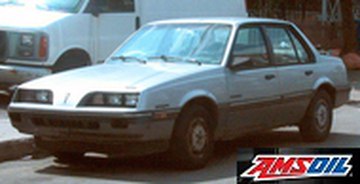
Engine Oil Maintenance for the 1983 Pontiac J2000 2.0L
Maintaining the engine lubrication system is a fundamental aspect of vehicle upkeep. For the 1983 Pontiac J2000 with the 2.0L engine, following specific guidance regarding oil changes and fluid management helps maintain the mechanical integrity of the power plant.
When should I change the oil in my 1983 Pontiac J2000 2.0L?
To determine the correct interval for an oil change, you should follow the owner's manual or the manufacturer maintenance schedule provided for this vehicle. No specific mileage or time intervals are supplied in the technical data for this application.
Understanding Listed Oil Viscosities
When selecting lubrication for this 2.0L engine, it is important to reference the specifications provided for the application. The database lists 5W-30 as an allowed viscosity for this vehicle. Using a viscosity that is listed for your specific engine helps ensure the lubricant flows and performs according to the parameters established for this 1983 model.
Monitoring Oil Levels
Regularly checking the oil level is a practical maintenance step. Even when following a manufacturer-suggested change interval, fluid levels can fluctuate due to various operational factors. Checking the dipstick allows you to verify that the engine contains the necessary amount of lubricant to prevent metal-on-metal contact during operation. If the level appears low, it may indicate a need for a top-off or an investigation into potential leaks within the lubrication system.
The Role of the Oil Filter
Every time the engine oil is replaced, the oil filter should also be addressed. The filter is responsible for capturing contaminants and debris that circulate within the engine's internal passages. While specific part numbers or filtration media details are not provided in this record, replacing the filter during an oil service is a standard practice to ensure that fresh lubricant is not immediately contaminated by old particulates trapped in a saturated filter.
Observing Oil Condition
The physical appearance of the engine oil can provide useful information regarding the internal state of the 2.0L engine. While oil naturally darkens over time due to heat and the accumulation of microscopic combustion byproducts, extreme changes in color or texture can be noteworthy. For example, an oil that appears milky may suggest the presence of coolant, while a very strong odor might indicate other fluid contamination. Monitoring these visual cues between scheduled service intervals is a helpful way to stay informed about the vehicle's condition.
Maintaining the Lubrication System
Beyond simple oil changes, keeping the area around the engine clean can assist in maintenance. A clean engine environment makes it easier to spot new leaks from gaskets, seals, or the oil pan. For an auto-and-light-truck vehicle of this age, being proactive about identifying small drips or seeps can prevent larger mechanical issues that arise from low fluid levels or pressure loss.
What oil does my 1983 Pontiac J2000 2.0L take?
The following oils are listed for this vehicle:
- ASLQT-EA — Signature Series 5W-30 Synthetic Motor Oil
- XLFQT-EA — XL 5W-30 Synthetic Motor Oil
- OEFQT-EA — OE 5W-30 Synthetic Motor Oil
What oil filter does my 1983 Pontiac J2000 2.0L need?
The following oil filters are listed for this vehicle:
- EAO23-EA — AMSOIL Ea Oil Filters
- 51036-EA — WIX Oil Filter
What fuel filter does my 1983 Pontiac J2000 2.0L need?
The following part is listed for this vehicle:
- WIX Fuel Filters: 33481-EA
What coolant does my 1983 Pontiac J2000 2.0L take?
The following products are listed for this vehicle:
- ANTPC1G-EA — Passenger Car & Light Truck Antifreeze & Coolant
- ANT1G-EA — Low Toxicity Antifreeze and Engine Coolant
BUYING ENGINE OIL
When you are ready to purchase lubrication for your 1983 Pontiac J2000, consult the listed viscosity of 5W-30. Always verify that any product you select is intended for use in your specific engine type and matches the requirements found in your owner's manual. Check the packaging for clarity regarding the SAE grade to ensure it aligns with the information provided for this application.